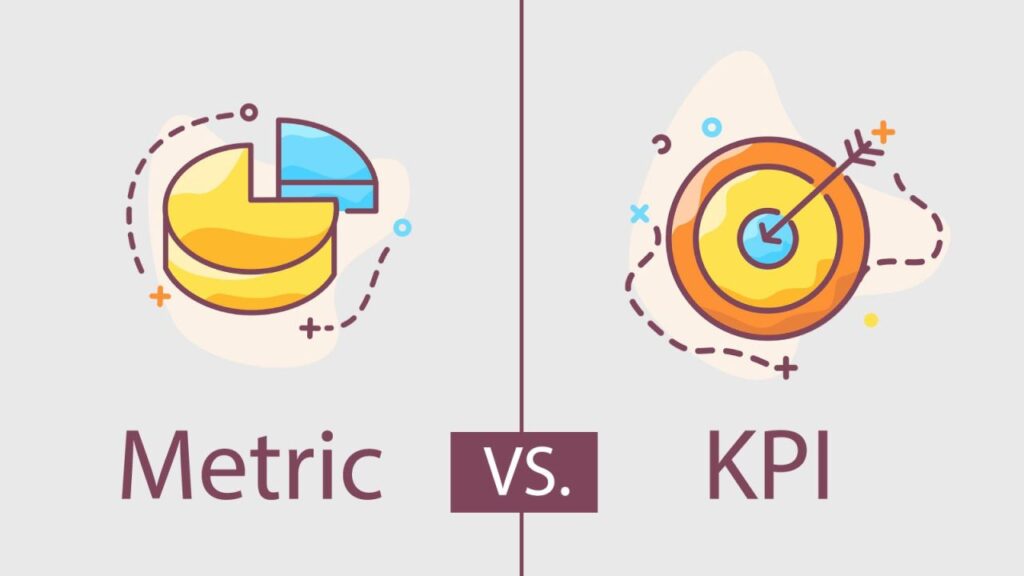
In the fast-paced world of business transformation, data is your compass. But not all created data points are equal. Two terms often used interchangeably are Metrics and KPI’s. They serve very different purposes. I am asked many times by clients ‘what is the actual difference between a Metric and a KPI?
Although both are designed to measure performance, Metrics and KPI’s have different characteristics used in different ways. Metrics are quantitative measures to track progress and evaluate success, while KPI’s are qualitative and tied to specific goals during a certain period of time. In today’s competitive business environment, tracking and measuring both is of paramount importance.
𝗠𝗲𝘁𝗿𝗶𝗰𝘀 are quantifiable measures used to track and assess the status of a specific business process. Think of them as the raw data points that give insight into how different functions within your organisation are performing.
𝗠𝗲𝘁𝗿𝗶𝗰𝘀 are also descriptive as they provide more granular insights into various aspects of a business’s operations, telling you what is happening, but not necessarily whether it’s good or bad. Metrics can be broken down into four main categories:
𝟭) 𝗙𝗶𝗻𝗮𝗻𝗰𝗶𝗮𝗹 𝗺𝗲𝘁𝗿𝗶𝗰𝘀
𝟮) 𝗖𝘂𝘀𝘁𝗼𝗺𝗲𝗿 𝗙𝗼𝗰𝘂𝘀𝗲𝗱 𝗺𝗲𝘁𝗿𝗶𝗰𝘀
𝟯) 𝗢𝗽𝗲𝗿𝗮𝘁𝗶𝗼𝗻𝗮𝗹 𝗠𝗲𝘁𝗿𝗶𝗰𝘀
𝟰) 𝗠𝗮𝗿𝗸𝗲𝘁𝗶𝗻𝗴 𝗠𝗲𝘁𝗿𝗶𝗰𝘀
𝗞𝗲𝘆 𝗣𝗲𝗿𝗳𝗼𝗿𝗺𝗮𝗻𝗰𝗲 𝗜𝗻𝗱𝗶𝗰𝗮𝘁𝗼𝗿𝘀 (𝗞𝗣𝗜𝘀), are intended to create a holistic picture of how your organisation is performing against its strategic targets, objectives and goals.
𝗞𝗣𝗜𝘀 are more than just numbers or even metrics. They make it possible to understand how a business is performing, allowing you to adjust your procedures and achieve long-term goals. Identifying the right KPIs and measuring them will help you achieve results more quickly and provide a better insight into how well you did. KPI’s can generally be broken down into three main categories:
𝟭) 𝗕𝗿𝗼𝗮𝗱 𝗡𝘂𝗺𝗯𝗲𝗿 𝗠𝗲𝗮𝘀𝘂𝗿𝗲𝘀
𝟮) 𝗣𝗿𝗼𝗴𝗿𝗲𝘀𝘀 𝗠𝗲𝗮𝘀𝘂𝗿𝗲𝘀
𝟯) 𝗖𝗵𝗮𝗻𝗴𝗲 𝗠𝗲𝗮𝘀𝘂𝗿𝗲𝘀
𝗜𝗻 𝘀𝘂𝗺𝗺𝗮𝗿𝘆:
𝗠𝗲𝘁𝗿𝗶𝗰𝘀 concentrate more on processes and components that contribute to overall performance. They highlight specific areas where adjustments can be made or problems that require attention.
𝗞𝗣𝗜𝘀 concentrate on end results and provide insights into whether an organisation is achieving its strategic objectives. They offer a snapshot of success or failure.
These are the heartbeat of your performance management process and must work well.
𝗗𝗮𝘁𝗮 𝗮𝗰𝗰𝘂𝗿𝗮𝗰𝘆 𝗶𝘀 𝗸𝗲𝘆 𝗳𝗼𝗿 𝗯𝗼𝘁𝗵.
𝘐𝘯 𝘮𝘺 𝘯𝘦𝘹𝘵 𝘱𝘰𝘴𝘵, 𝘐 𝘸𝘪𝘭𝘭 𝘨𝘪𝘷𝘦 𝘴𝘰𝘮𝘦 𝘦𝘹𝘢𝘮𝘱𝘭𝘦𝘴 𝘰𝘧 𝘩𝘰𝘸 𝘮𝘦𝘵𝘳𝘪𝘤𝘴 𝘴𝘩𝘰𝘶𝘭𝘥 𝘣𝘦 𝘶𝘴𝘦𝘥 𝘵𝘰 𝘨𝘦𝘯𝘦𝘳𝘢𝘵𝘦 𝘮𝘦𝘢𝘯𝘪𝘯𝘨𝘧𝘶𝘭 𝘒𝘗𝘐𝘴.