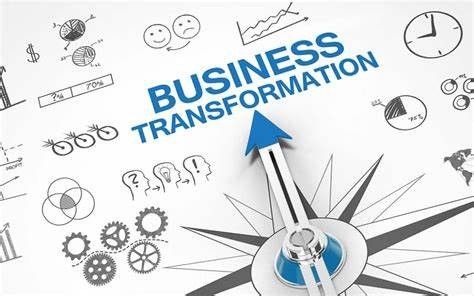
In today’s fast-paced world, the logistics industry is racing against time, with a relentless demand for tightened regulatory compliance. Efficient shipping (and in many cases temperature-controlled shipping), precise tracking and seamless operations has created an urgency like we’ve never seen before. In this digital age, the essence of logistics lies not just in the physical movement of goods but in the speed and accuracy of the processes, governance and data surrounding it.
Everyone wants to get things done as quickly and cheaply as possible, but we must avoid cutting corners.
As businesses grow, complexity inevitably creeps into day-to-day processes. While this is a natural part of expansion, it can lead to inefficiencies and risks that may jeopardise future growth. Embracing business transformation will encompass regulatory compliance, and revolutionise processes and operations, enabling you and your team to achieve long-term success.
According to a study by Gartner, 76% of logistics Transformation Programmes don’t succeed. A principal reason for this record is that success is not always defined at the start of a Transformation Programme. Defining up front what success looks like for the organisation is key. Without a clear definition you will experience resistance to internal change which obstructs Transformation Programmes more than outside pressures. Leaders will improve the chance of success if they respond to team resistance and incorporate that feedback into the Programme. Focus is always firmly on the customer, process and technology. But, in any transformation, we must be considerate of the team executing the work and any the impact changes will have on them in the future. It is the internal resource that will facilitate the delivery and adoption of the Programme and therefore the success of it.
How does Business Transformation help? You’ll realise the following key benefits, among others:
· Enhanced customer experience – meeting expectations for fast, transparent deliveries
· New opportunities to explore business models and product lines for growth and expansion
· Improved real-time visibility and operational efficiency throughout the supply chain
· Reduced operational costs through streamlined processes and decreased complexity
The journey itself may be complex, but the rewards in efficiency, compliance, customer experience, and growth potential make it an essential step for any forward-thinking logistics operation.
In my next post: Learn the essential steps for mastering your logistics Business Transformation. Discover how to overcome challenges and drive real results.
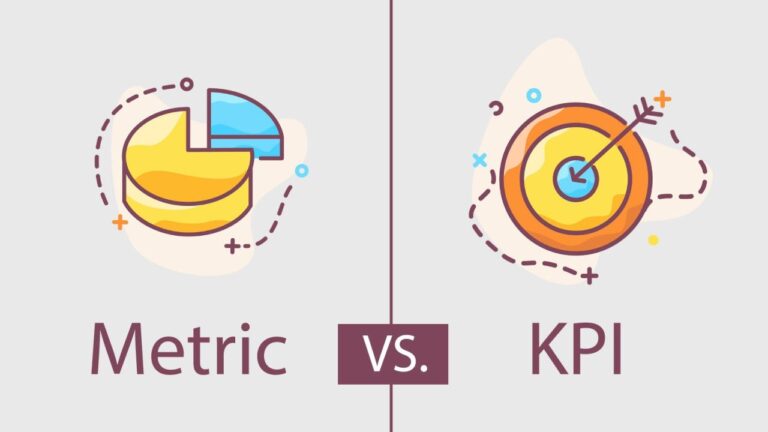
Metrics vs. Key Performance Indicators (KPI’s): What Business Transformation Leaders Need to Know
In the fast-paced world of business transformation, data is your compass. But not all created data points are equal. Two terms often used interchangeably are